Title: Why the Future of Work Looks Like a “Self-Driving Company” (And Why Human Taste Still Wins)
If you work in tech, your daily workflow probably looks completely different today than it did twelve months ago. For the rest of the world, however, a massive shift in how companies operate is right around the corner—and most people have no idea it is coming.
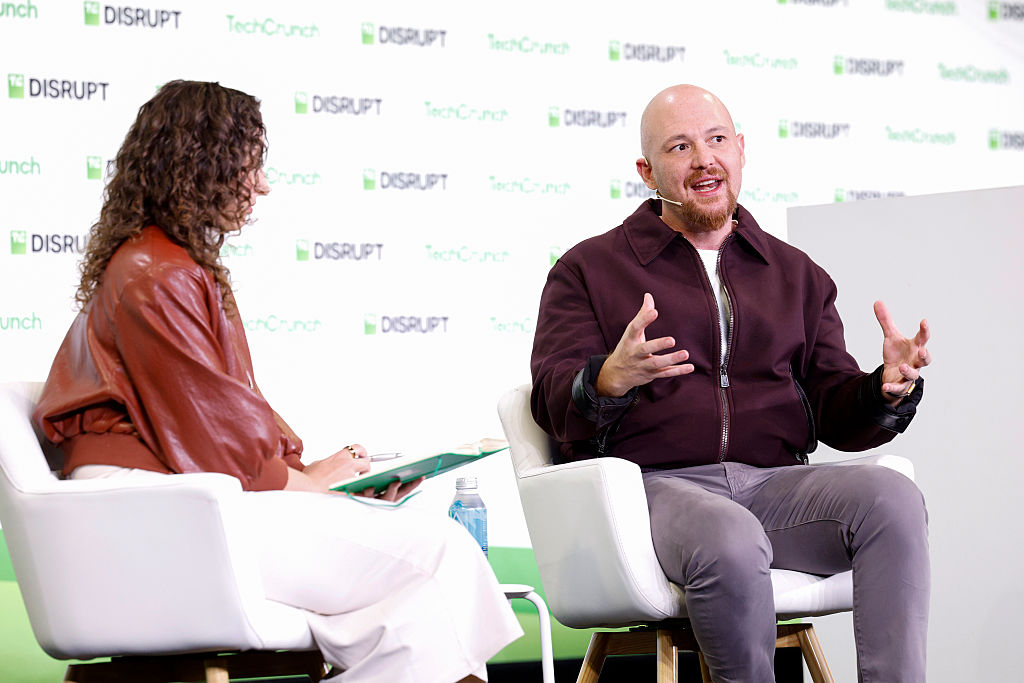
Speaking at a major industry conference in San Francisco on Thursday, Amjad Masad—the CEO and co-founder of a popular AI-powered software development environment—shared a fascinating look at how artificial intelligence is reshaping the modern workplace from the inside out. Because his company builds the exact AI coding tools that enterprises use to write and ship software, Masad has a front-row seat to the transition. His takeaway? We are rapidly moving toward the era of the “self-driving company.”
What Is a “Self-Driving Company”?
When Masad talks about a self-driving company, he isn’t talking about autonomous vehicles or robotaxis. He is describing an organizational model where autonomous AI agents handle the bulk of the operational heavy lifting—allowing the business to continuously run and improve itself—while human employees step back to focus on high-level judgment, strategy, and creative taste.
According to Masad, his own internal team spent the past year rethinking their company operations from scratch, especially after autonomous AI agents crossed a major reliability threshold earlier this year. Rather than treating AI as a simple sidekick, they rewired their internal processes so that software agents actively push daily work forward.
How Humans and Agents Actually Split the Work
To show how this works in practice, Masad walked through what happens when a customer support ticket lands in their system today:
- Autonomous Triage: Before a human ever looks at the problem, an AI agent intercepts the ticket and investigates. It automatically cross-references the issue against internal code repositories, historical bug reports, and project management logs.
- Human Judgment: By the time the ticket reaches a human support engineer, all the detective work is already done. Armed with the full context, the human simply makes the call on how the issue should be resolved.
- One-Click Execution: Once the engineer decides a code patch is needed, they don’t have to spend hours writing boilerplate fixes. With a single click, they dispatch another AI agent to write and submit the patch.
Throughout that entire loop, AI agents do almost all of the legwork. Yet the human sitting right in the middle remains indispensable. As Masad points out, automated systems still cannot replicate human discernment or product intuition—qualities that aren’t going away anytime soon.
Less Grunt Work, More Whiteboarding
The biggest misconception about workplace AI is that agents are simply going to erase jobs one for one. In reality, they are radically changing what people spend their hours doing.
When you strip away the repetitive maintenance and manual troubleshooting, employees suddenly have the breathing room to think about what they should actually be building. Walking around his own office lately, Masad notes that he sees far fewer people silently grinding through tickets and far more teams gathered around whiteboards, debating system architecture, product design, and user experience.
This shift also changes how AI is pitched to the broader business world. In conversations with enterprise clients, the focus isn’t just on raw output and productivity anymore—it is also about employee happiness. By handing the tedious, soul-crushing parts of the job over to autonomous agents, everyday work becomes much more creative and fulfilling.
For an industry that often gets criticized for painting a bleak, dystopian picture of automation, framing the “self-driving company” around human creativity and better workdays is a refreshing change of pace.