When a television starts lagging, freezing on streaming apps, or dropping Wi-Fi connections, most consumers assume the screen has reached the end of its lifespan. Major electronics brands naturally encourage this thinking, rolling out glossy marketing campaigns every year urging buyers to drop thousands of dollars on newer panels.
However, display analysts and tech reviewers emphasize that in the majority of cases, the screen panel itself is completely fine. What has failed is the underpowered, internal smart TV processor—and fixing it requires a modest accessory, not an expensive new appliance.
The Built-in Smart TV Trap
Almost every modern television ships with an integrated operating system (such as Tizen, webOS, or built-in Google TV). While functional when unboxed, these systems inevitably suffer from built-in obsolescence:
- Underpowered Processors: Television manufacturers routinely allocate the vast majority of their hardware budget to display panels and backlighting zones, cutting costs on the internal CPU and RAM.
- Aggressive App Updates & Bloatware: Over 3 to 5 years, third-party apps like Netflix, Disney+, and YouTube grow heavier, while manufacturer firmware updates introduce ad banners and background telemetry that overwhelm the aging processor.
- The Result: Severe input latency, app crashes, sluggish navigation, and eventual loss of software support for newly released streaming platforms.
The “Little Upgrade”: Dedicated External Streaming Devices
Rather than discarding a perfectly functional 4K HDR display, tech experts consistently advise bypassing the TV’s onboard operating system entirely by plugging in a dedicated streaming stick or box via an HDMI port.
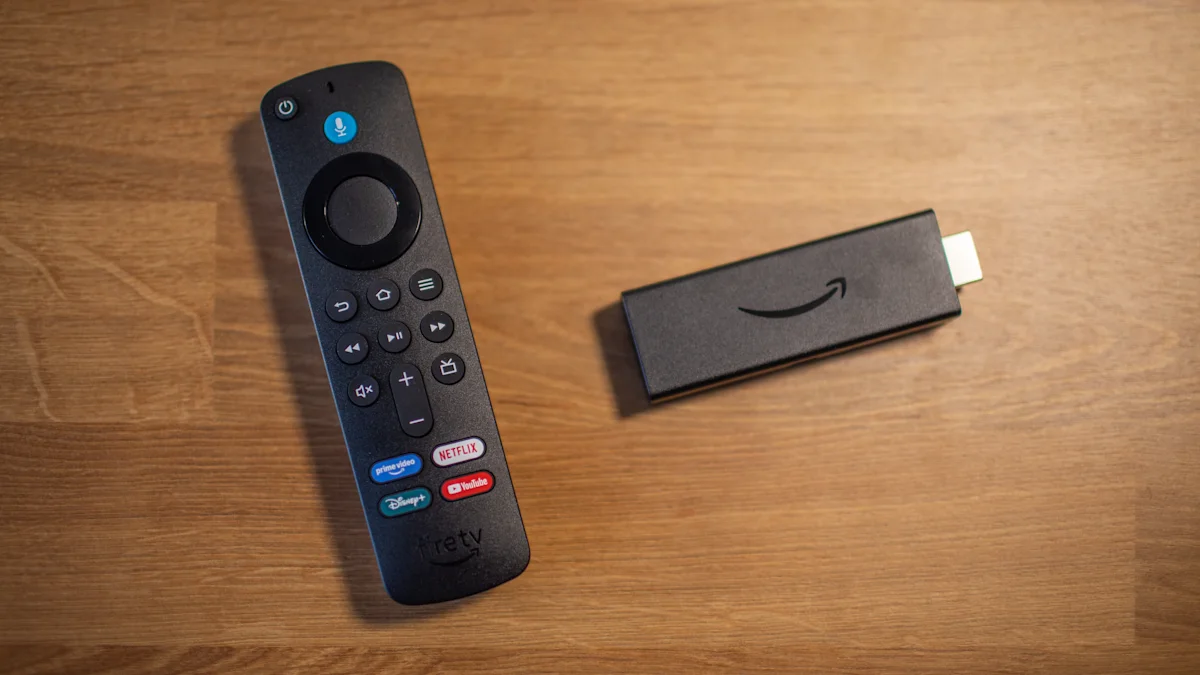
- Affordable 4K Streaming Sticks ($30 – $50): Devices such as the Roku Streaming Stick 4K, Amazon Fire TV Stick 4K Max, or Google TV Streamer feature faster flash storage and optimized processors designed specifically for app decoding, instantly restoring fluid menu navigation.
- Premium Media Hubs ($100 – $150+): For heavy home-theater users, powerhouses like the Apple TV 4K provide desktop-grade silicon, multi-gigabit networking, zero home-screen advertising, and seamless integration with smart home ecosystems.
Immediate Benefits of Bypassing the Internal OS
- Significant Cost Savings: Extending a television’s practical life by 3 to 5 years for under $50 prevents unnecessary electronics spending and reduces e-waste.
- Snappy Performance: Standalone streaming hardware handles modern 4K HDR bitrates, frame-rate matching, and voice controls without UI stuttering.
- Seamless Portability: Unlike a wall-mounted 65-inch screen, an external dongle retains your personal logins and app layouts, allowing you to unplug it for hotel stays or easily transfer it to a future TV.
- Enhanced HDMI-CEC Automation: With HDMI Consumer Electronics Control enabled, your external streaming remote can automatically turn the TV on/off and control volume, making the TV’s sluggish native remote redundant.
If your television still delivers crisp, color-accurate images without screen burn-in or broken backlights, you do not have a display problem—you have a software bottleneck. Upgrading the brain instead of the panel is the smartest tech decision you can make this year.